
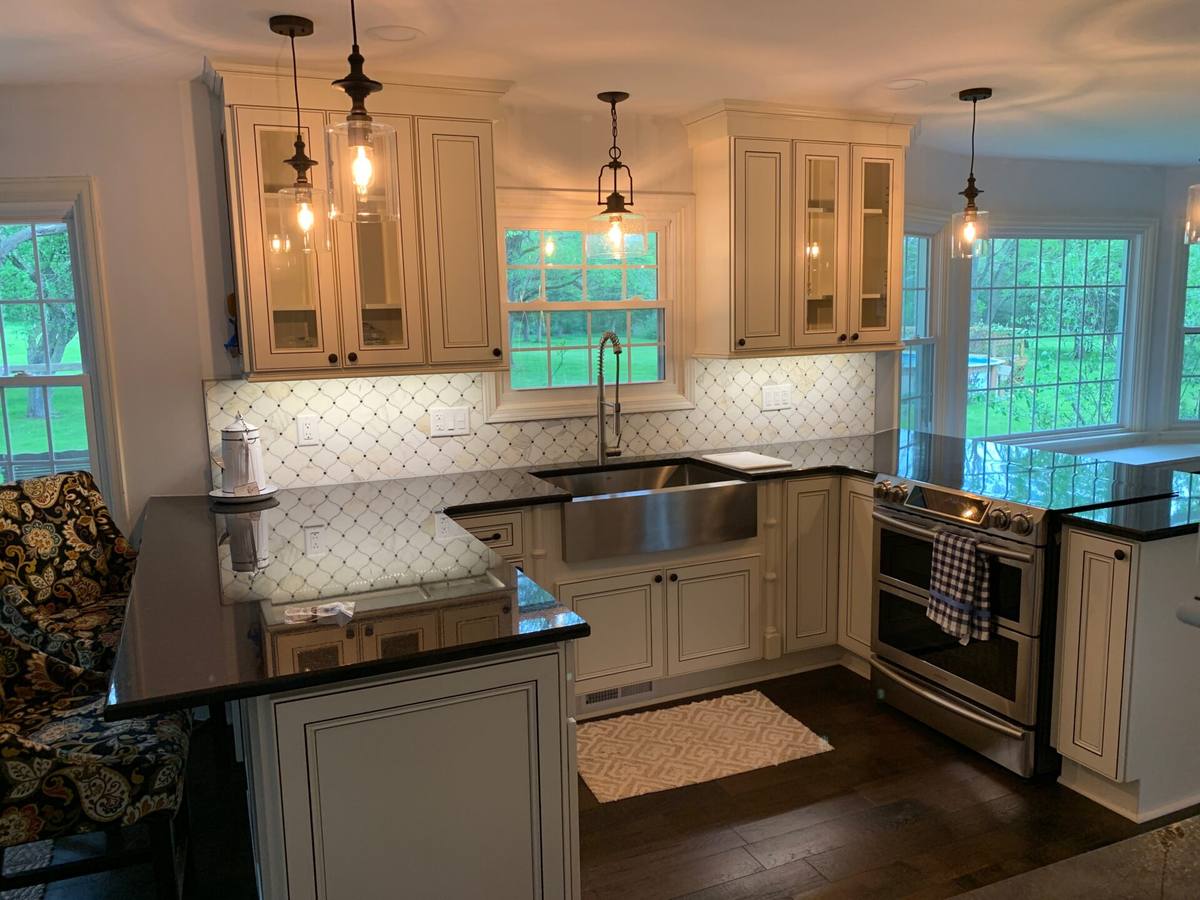
The lowest remodeling estimate is not always the least expensive project. Two contractors can look at the same kitchen, bathroom, deck, basement, or whole-home renovation and submit totals that are thousands of dollars apart because their scopes, materials, allowances, permits, schedules, and assumptions are different.
The useful comparison is not simply the final number at the bottom of each page. It is a side-by-side review of what each contractor believes the project includes, what is left for you to decide, and what could create an additional charge later.
This matters whether you are planning a kitchen remodel in Novi, a bathroom renovation in Highland, a deck in Milford, or a larger home renovation in Brighton, Howell, Hartland, or another Oakland or Livingston County community. Michigan's homeowner remodeling guidance recommends getting two or three written estimates and carefully comparing the services and materials with the price. Michigan's LARA homeowner guidance likewise recommends comparing more than the price alone and making sure the estimate identifies the total price, payment terms, materials, and expected completion time.
Start by giving every contractor the same project information
You cannot fairly compare estimates if each contractor is pricing a different project. Before requesting bids, create one basic project description and give the same information to everyone you invite to estimate the work.
Include:
- The rooms or outdoor areas included in the project.
- The dimensions, approximate layout, and features you want to keep.
- The changes you are considering, such as moving a wall, plumbing fixture, appliance, stair, or deck entrance.
- The materials or product level you want to compare.
- The items you will purchase yourself, if any.
- Your preferred start window and any date that affects the project.
- Photos, sketches, inspiration images, inspection notes, or plans that affect the scope.
- Known problems such as water damage, uneven floors, outdated wiring, drainage issues, or structural concerns.
If one contractor prices a cabinet refresh while another prices new custom cabinets, the totals will not tell you which contractor is more affordable. If one bathroom estimate includes moving plumbing and another leaves all plumbing in place, the same problem appears in a different form.
The more clearly you describe the desired result, the more useful the estimates become. You do not need every finish selected before asking for a conversation, but you should identify the decisions that could materially change labor, materials, permits, or the schedule.
Compare the scope of work before comparing the price
The scope of work is the written description of what the contractor will do. It should be specific enough that you can tell what is included, what is excluded, and what happens if the existing conditions are different from what was visible during the estimate.
For a kitchen remodel, compare whether each estimate includes demolition, cabinet removal, new cabinets, countertops, backsplash, flooring, lighting, appliance connections, painting, trim, cleanup, and disposal. For a bathroom remodel, compare demolition, waterproofing, tile, plumbing, ventilation, electrical work, fixtures, drywall, flooring, accessories, and final cleanup. For a deck, compare footings, framing, ledger work, decking, stairs, guards, railings, lighting, site restoration, and inspections.
Ask each contractor to clarify:
- What work will be completed by the contractor's team?
- What work will be performed by subcontractors?
- What materials, fixtures, and appliances are included?
- What demolition and disposal are included?
- Who protects floors, walls, furniture, landscaping, and walkways?
- Who handles delivery, storage, and removal of unused materials?
- What cleanup is included at the end of each work phase and at final completion?
- What work is specifically excluded?
An estimate that does not mention a line item is not automatically including it. Ask before you assume.
Look for allowances and selections
An allowance is a budget placeholder for an item that has not been selected or fully priced. Common examples include tile, plumbing fixtures, lighting, cabinets, countertops, appliances, hardware, flooring, and specialty railing systems.
Allowances can help a project move forward while selections are still being finalized, but they make estimates harder to compare. A lower bid may use smaller allowances, while a higher bid may include a more realistic product level. Neither total tells you the final cost until you understand the allowance.
For every allowance, ask:
- What exact item or group of items does it cover?
- Is the amount for materials only, or does it include delivery and installation?
- What happens if the item costs more or less than the allowance?
- Are taxes, shipping, trim pieces, grout, underlayment, hardware, or accessories included?
- When must the selection be made to protect the schedule?
- Can the contractor show examples that fit the allowance?
For example, “bathroom tile allowance” is not enough information to compare two bids. One contractor may include tile, thinset, grout, waterproofing, and installation, while another may include only the tile itself. Ask for a description of the complete installed scope.
Separate fixed work from uncertain conditions
Remodeling takes place inside an existing home, so the contractor may not be able to see every condition before demolition. Behind a wall there may be water damage, outdated wiring, an unlevel surface, inadequate framing, or a previous repair that does not meet current requirements. Under an old deck there may be damaged footings or an attachment that needs correction.
A clear estimate explains how these conditions will be handled. Look for language about:
- What the contractor can verify during the initial visit.
- What cannot be confirmed until demolition or excavation.
- The hourly or unit rate for additional work, if one is needed.
- How the contractor will document an unexpected condition.
- Whether you will receive photos, a written explanation, and a price before the work proceeds.
- Who has authority to approve a change when the homeowner is not available.
An uncertainty allowance is different from an open-ended promise to “fix whatever we find.” Ask what the contractor expects to find, how it affects the project, and how additional work will be priced.
Confirm permits and inspections in the estimate
Permit responsibility should be clear before you sign. Michigan LARA explains that a building permit application must be submitted to the appropriate enforcing agency before construction of a building or structure, and that the appropriate agency can be the state, county, or local unit of government. The process can vary by municipality in Oakland and Livingston County.
The estimate or contract should tell you:
- Which building, zoning, electrical, plumbing, or mechanical approvals may be needed.
- Who prepares and submits the applications.
- Which permit and inspection fees are included.
- Who responds if the building department requests a correction.
- Who schedules inspections and provides final approval documents.
- Whether permit-related changes are included or treated as a change order.
For deck projects, see Do I Need a Permit to Build a Deck in Michigan? for a more detailed explanation of local enforcement, structural work, and waterfront conditions. Do not assume a permit is included simply because a contractor says the project will be “done to code.” Ask what is being submitted and who is responsible for the approval process.
Compare the payment schedule, not just the deposit
The payment schedule should match project progress. Read when each payment is due, what event triggers it, and what work should be complete before payment is made.
Ask whether the estimate and contract explain:
- The initial deposit.
- Payments tied to design, ordering, demolition, framing, installation, or completion.
- How approved changes are billed.
- Whether material deposits are refundable or transferable if selections change.
- The amount held until final completion, if any.
- What documentation is provided with the final payment.
Michigan's consumer guidance warns homeowners against paying in full up front and recommends arranging payments as parts of the job are completed. It also recommends that final payment wait until the work is done, personally inspected, and any necessary local approvals have been obtained.
Do not copy a payment schedule from one estimate into another without asking what it covers. A large early payment may reflect custom materials, but it may also shift too much project risk to the homeowner. Ask for the reason behind the timing and put the final arrangement in the signed contract.
Review the schedule and communication plan
An estimate should give you more than a hopeful start date. Compare how each contractor handles the decisions and dependencies that affect the schedule.
Look for:
- Estimated start and completion dates.
- Design and selection deadlines.
- Permit review and inspection time.
- Material ordering and delivery assumptions.
- The number of crews or subcontractors involved.
- How weather affects exterior work such as decks and painting.
- How the home will be protected while work is underway.
- Who will be your day-to-day contact.
- How schedule changes and decisions will be documented.
Material lead times, permit review, hidden conditions, weather, and homeowner selections can all affect a remodeling schedule. A realistic estimate explains those dependencies instead of presenting a single date as a guarantee.
Check the contract details before you sign
An estimate is usually a proposal. The contract is the document that controls the agreed scope, price, schedule, payment terms, responsibilities, and warranty after both sides sign it.
Michigan LARA recommends that a written contract identify the company name, address, phone number, contractor or salesperson license information, detailed job specifications, materials, costs, start and completion dates, required permits, insurance, warranty, cleanup, payment terms, and how changes are documented. LARA's homeowner checklist is a useful reference before you sign.
Check that the contract matches the estimate. Pay particular attention to:
- The legal name of the contracting company.
- The exact scope and materials.
- Brand, model, color, grade, or finish information where relevant.
- The start and completion expectations.
- Permit and inspection responsibility.
- Payment dates and events.
- Change-order requirements.
- Warranty coverage and exclusions.
- Cleanup, disposal, and protection of the property.
- What happens if either side needs to delay or cancel.
Ask for a complete copy with every change included. Michigan guidance says changes and revisions should be dated and initialed by both parties. Do not sign a proposal with blank spaces or undefined allowances that can be filled in later.
Verify the contractor, not just the estimate
The estimate is one part of choosing a remodeling contractor. Michigan homeowner guidance recommends checking licensing, insurance, references, and complaint history. It also says contractors offering work totaling $600 or more in labor and materials must be licensed by LARA, subject to the applicable exceptions and current rules.
Ask each contractor for:
- The current license number and business name.
- Proof of the insurance relevant to the work.
- References for similar projects.
- The name of the person supervising the project.
- A description of subcontractor responsibilities.
- A written warranty and the process for requesting service.
- A permanent business address and reliable contact information.
Verify current licensing through Michigan's official lookup tools, and ask what the insurance covers. “Insured” does not automatically mean every defect, delay, or property issue is covered.
Use a simple bid comparison worksheet
Create one row for each important part of the project and one column for each contractor. Use these rows:
- Base scope of work.
- Demolition and disposal.
- Materials and product specifications.
- Allowances and selections.
- Labor and subcontractors.
- Permits, inspections, and drawings.
- Protection and cleanup.
- Known repairs or preparation work.
- Uncertain conditions and change-order rates.
- Start and completion assumptions.
- Payment schedule.
- Warranty and closeout documents.
- Exclusions.
- Total contract price.
Then write down the questions each estimate creates. A bid with more questions is not automatically worse; it may simply be more detailed. A bid with no exclusions or allowances may also be excellent, or it may be too vague to compare. The goal is to turn every unclear line into a specific answer before signing.
Red flags that deserve a pause
Be cautious if a contractor:
- Pressures you to sign immediately.
- Refuses to provide a detailed written estimate.
- Will not identify materials or exclusions.
- Requests full payment before work begins.
- Tells you not to worry about permits without checking your address.
- Changes the price verbally but refuses to document the change.
- Cannot explain who will supervise the work.
- Will not provide license, insurance, or reference information.
- Gives a much lower bid without explaining the difference in scope.
Michigan's Attorney General advises homeowners to resist high-pressure sales, compare written estimates, get everything in writing, and avoid allowing work to begin without a signed contract. Those steps are useful even when the contractor seems trustworthy because clear documents protect both sides of the project.
The decision to make before you choose a bid
After comparing the estimates, you should be able to answer four questions:
- Which proposal gives me the clearest scope?
- Which proposal uses realistic materials and allowances for the result I want?
- Which proposal explains permits, schedule, payment, changes, warranty, and cleanup?
- Which contractor has given me enough information to make a confident decision?
The right estimate is the one you understand. If a lower number leaves out the work required to produce the result you want, it is not a true savings. If a higher number includes features or materials you do not need, it may not be the right fit either.
All American Remod helps homeowners across Oakland and Livingston County plan kitchens, bathrooms, decks, and interior and exterior renovations. You can review interior and exterior renovation services, kitchen remodeling services, and bathroom remodeling services, then request a free estimate with the project information you want included in the comparison.
Frequently asked questions
Why can two remodeling estimates be so different?
Estimates can differ because contractors are pricing different scopes, materials, allowances, labor assumptions, permit responsibilities, schedules, and levels of preparation. Compare the written details before deciding that one contractor is simply more expensive.
How many remodeling estimates should I get?
Michigan homeowner guidance recommends getting two or three written estimates and carefully comparing the services and materials with the price. The useful number depends on the project, but each estimate should be based on the same project description so the comparison is meaningful.
What is an allowance in a remodeling estimate?
An allowance is a budget placeholder for an item that has not been selected or fully priced, such as tile, cabinets, fixtures, lighting, or appliances. Ask what the allowance covers, whether installation is included, and how the price changes if your selection costs more or less.
Should permits be included in a remodeling estimate?
Ask the contractor to state which permits, inspections, and fees are included and who is responsible for obtaining them. Requirements vary by project and local enforcing agency, so a clear written answer is more useful than assuming every estimate handles permits the same way.
What should happen if the contractor finds hidden damage?
The contract should explain how unexpected conditions are documented, priced, and approved. Ask for photos or a written explanation and require a written change order before additional work proceeds, except when immediate action is needed to protect people or the property.
Is the lowest remodeling estimate the best choice?
Not necessarily. A lower estimate may use different materials, smaller allowances, fewer included tasks, or more exclusions. Compare the complete scope, schedule, payment terms, warranty, permit responsibilities, and contractor information before comparing totals.